Stablecoins: Why Do They Matter?
The financial world is witnessing a quiet revolution. While Bitcoin grabs headlines with its volatility and Ethereum makes waves with smart contracts, stablecoins are steadily becoming the backbone of digital finance. These dollar-pegged digital assets have grown from a niche crypto experiment to a $150+ billion market that’s fundamentally changing how money moves around the world.
Why do stablecoins matter? The answer lies in their unique ability to bridge the gap between traditional finance and the digital economy, offering compelling benefits to both large institutions and everyday users.
The Institution Perspective: Efficiency Meets Scale
Treasury Management Revolution
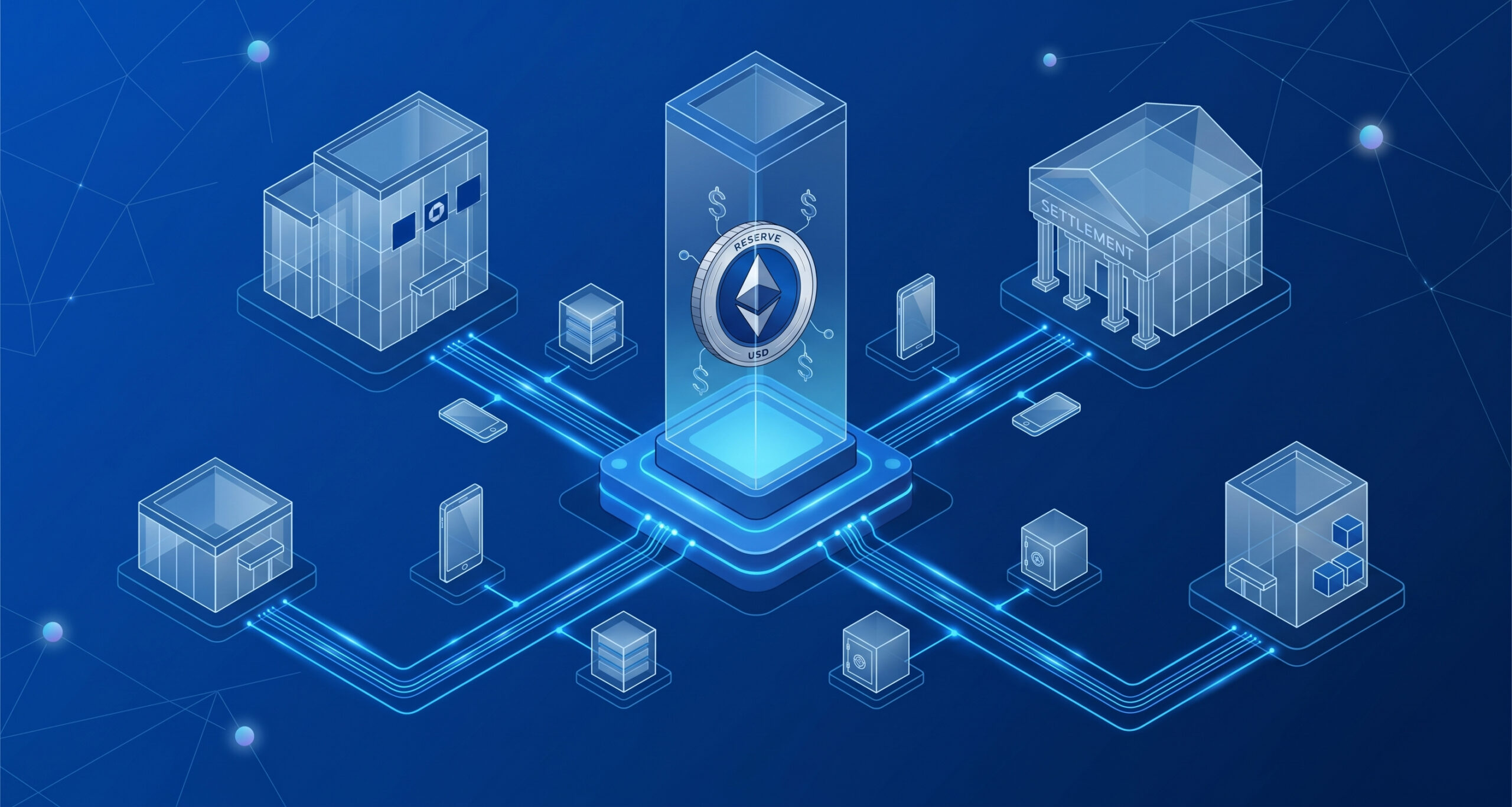
For large corporations and financial institutions, stablecoins represent a paradigm shift in treasury management. Consider a firm’s need to maintain banking relationships across different countries, each with its own regulatory requirements, settlement times, and fees. With stablecoins, their treasury can move millions of dollars across borders in minutes, not days, with transparency that traditional banking systems simply cannot match.
JPMorgan’s JPM Coin and Goldman Sachs’ exploration of digital assets aren’t experiments—they’re strategic responses to the clear efficiency gains stablecoins provide. When a trade settlement that traditionally takes T+2 days can be completed in real-time, the capital efficiency gains are enormous.
The Signet Success Story
One of the most compelling institutional examples was Signature Bank’s Signet platform, which demonstrated how traditional banks could successfully leverage blockchain technology for digital payments. Launched in 2019, Signet functioned as a real-time payment platform that allowed commercial clients to settle transactions 24/7 using a bank-issued digital dollar.
Unlike external stablecoins, Signet represented deposits directly held at Signature Bank, giving clients the full protection of FDIC insurance while enabling instant settlement. The platform processed over $1 trillion in transactions during its operation, with major clients including digital asset exchanges, fintechs, and traditional corporations that needed to move large sums outside of traditional banking hours.
Signet’s success illustrated a crucial point: the value proposition of digital dollars isn’t limited to decentralized cryptocurrencies. Even within traditional banking structures, the ability to program money for instant, 24/7 settlement provides enormous operational advantages. Corporate treasurers could execute weekend wire transfers, settle trades outside banking hours, and manage liquidity with unprecedented precision.
The platform’s closure following Signature Bank’s regulatory challenges in 2023 represented a significant loss for the institutional digital payments landscape. However, its success proved that bank-issued digital dollars could serve as a bridge between traditional finance and blockchain innovation.
Risk Management Through Distribution
Perhaps most intriguingly, stablecoins offer institutions a novel approach to managing counterparty risk. Traditional FDIC insurance caps institutional deposits at $250,000 per bank—a constraint that forces large corporations into complex multi-bank relationships. Stablecoin issuers like Circle distribute their reserves across multiple FDIC-insured banks, effectively allowing institutions to access broader deposit protection through a single digital asset.
A corporate treasurer managing $100 million in cash reserves would traditionally need relationships with 400+ banks to achieve full FDIC coverage. Through properly structured stablecoins, that same protection might be achieved through a single digital asset position, dramatically simplifying operations while maintaining safety.
Programmable Money for Complex Operations
Stablecoins aren’t just digital dollars—they’re programmable digital dollars. Smart contracts can automatically execute complex financial arrangements:
- Escrow releases,
- Recurring payments,
- Conditional transfers, and
- Multi-party settlements.
For institutions handling thousands of transactions daily, this automation represents massive operational savings.
Supply chain finance, traditionally a paper-heavy process involving letters of credit and multiple intermediaries, can be streamlined through stablecoin-based smart contracts that automatically release payments when delivery conditions are met. The efficiency gains compound across every business process they touch.
The Future of Fund Ownership: Tokenized Traditional Finance
Perhaps the most transformative institutional application of stablecoins lies in their potential to represent ownership in traditional financial assets. We’re moving toward a future where your ownership stake in a mutual fund, ETF, or money market fund could be represented by blockchain-based tokens rather than traditional account entries.
This shift would fundamentally change how financial assets are traded and settled. Instead of the current system, where buying a mutual fund requires T+2 settlement through multiple intermediaries, tokenized fund shares could be bought and sold instantly using stablecoins. A pension fund could rebalance its portfolio in real-time, moving from equity exposure to fixed income without waiting for traditional settlement periods.
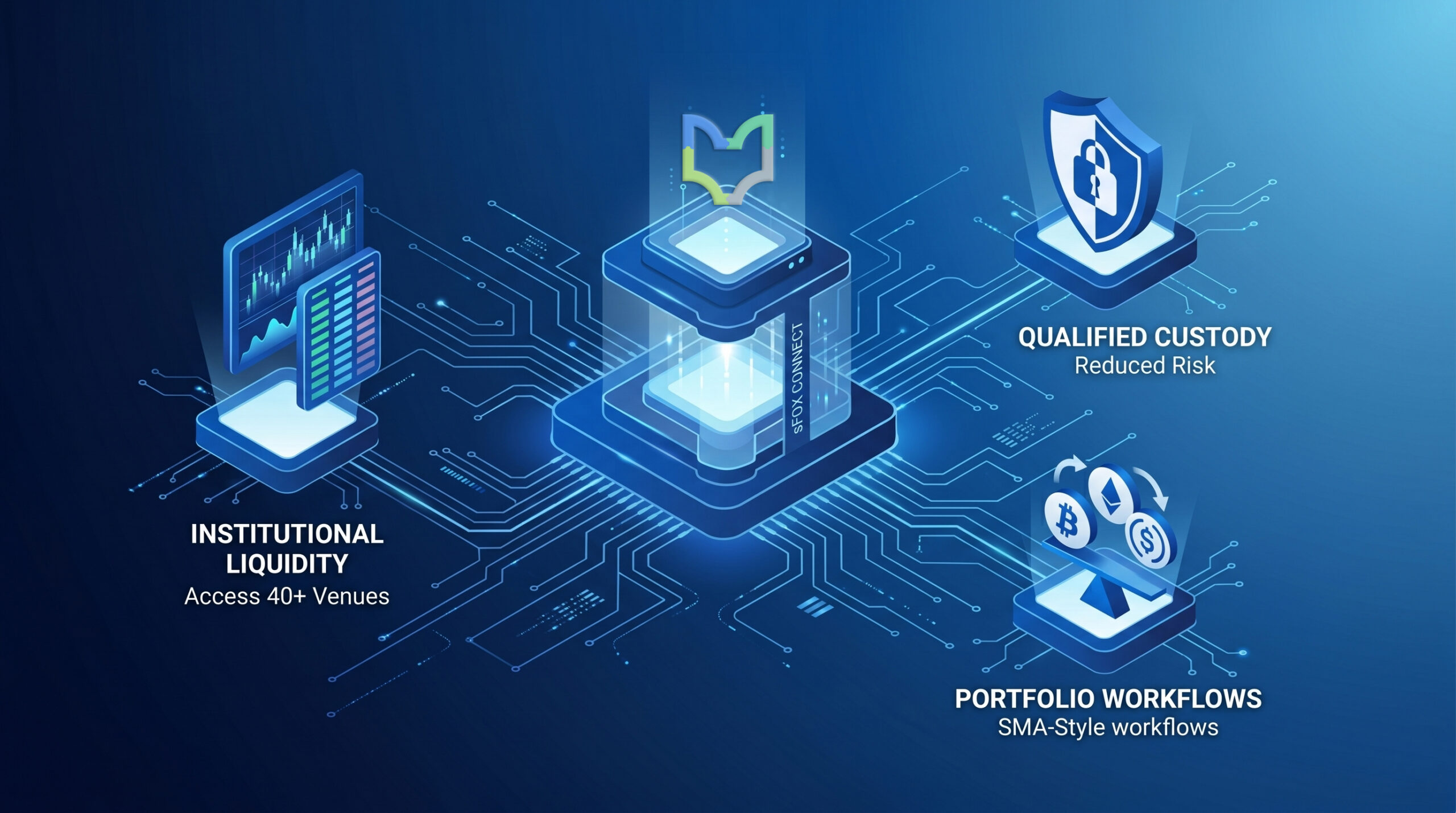
The implications extend beyond speed. Tokenized fund ownership enables fractional investing at unprecedented scale, automated portfolio rebalancing through smart contracts, and programmable investment strategies that execute in response to market conditions. Imagine a retirement account that automatically adjusts its asset allocation based on your age, market volatility, and economic indicators—all executed through stablecoin transactions without human intervention. sFOX’s Connect Wealth platform for wealth managers provides an asset allocation and portfolio management tool in a seamless onboarding integration.
BlackRock’s BUIDL fund, which represents ownership in U.S. Treasury securities through blockchain tokens, provides an early glimpse of this future. Franklin Templeton’s OnChain U.S. Government Money Fund demonstrates how traditional asset managers are already experimenting with tokenized fund structures. These aren’t pilot programs—they’re the foundation for a financial system where all asset ownership could eventually be represented on-chain.
The End User Revolution: Access and Control

Global Banking the Underbanked
For individuals, stablecoins represent something potentially more profound than operational efficiency—they represent access. Globally, 1.4 billion adults remain unbanked, often due to geographic, economic, or regulatory barriers. A smartphone and internet connection can provide access to USD-denominated stablecoins, effectively offering banking services without requiring traditional bank account approval processes.
This isn’t theoretical. In countries experiencing currency instability, citizens are increasingly turning to stablecoins as a store of value. A small business owner in Argentina or Turkey can preserve purchasing power by holding USDC rather than watching local currency depreciate. The stablecoin becomes both a savings account and a hedge against monetary instability.
Enhanced FDIC Protection for High Net Worth Individuals
Wealthy individuals face the same FDIC limits as everyone else, but their larger asset bases make these constraints more binding. A tech executive with $5 million in liquid assets would traditionally need relationships with 20 different banks to achieve full FDIC protection—a complex and unwieldy arrangement.
With stablecoins backed by distributed bank reserves, the same individual might achieve broader FDIC coverage through a single digital-asset position. While this involves counterparty risk with the stablecoin issuer, it offers a simplified approach to deposit diversification that wasn’t previously available.
Infrastructure for the Next Financial System
Perhaps most importantly, stablecoins are building the infrastructure for a more efficient financial system. They’re creating the digital payment rails that can support innovations we haven’t yet imagined: automatic micro-payments for content consumption, real-time revenue sharing for creators, programmable savings that automatically optimize across yield opportunities.
This infrastructure benefits everyone. Institutions gain operational efficiency and new business models. Individuals gain access to financial services that were previously unavailable or prohibitively expensive. The result is a more inclusive and efficient financial system.
Challenges and Considerations
Stablecoins aren’t without risks. Regulatory uncertainty, such as that posed by the CLARITY Act, persists in many jurisdictions. The counterparty risk with stablecoin issuers is real—users must trust that reserves are properly managed and redeemable. Technical risks around smart contract vulnerabilities and blockchain infrastructure exist.
For institutions, compliance requirements around anti-money laundering (AML) and know-your-customer (KYC) regulations must still be met. For individuals, the complexity of wallet management and private key security can be daunting.
But these challenges are being addressed through better user interfaces, institutional-grade custody solutions, and clearer regulatory frameworks. The trajectory is toward greater usability and safety, not less.
The Path Forward: From Concept to Operationalization
Stablecoins matter because they solve real problems for real people and businesses. They reduce costs, increase speed, enhance access, and enable entirely new business models. But understanding their value is only half the equation. The real question facing institutions and wealth managers today isn’t whether to embrace stablecoins: it’s how.
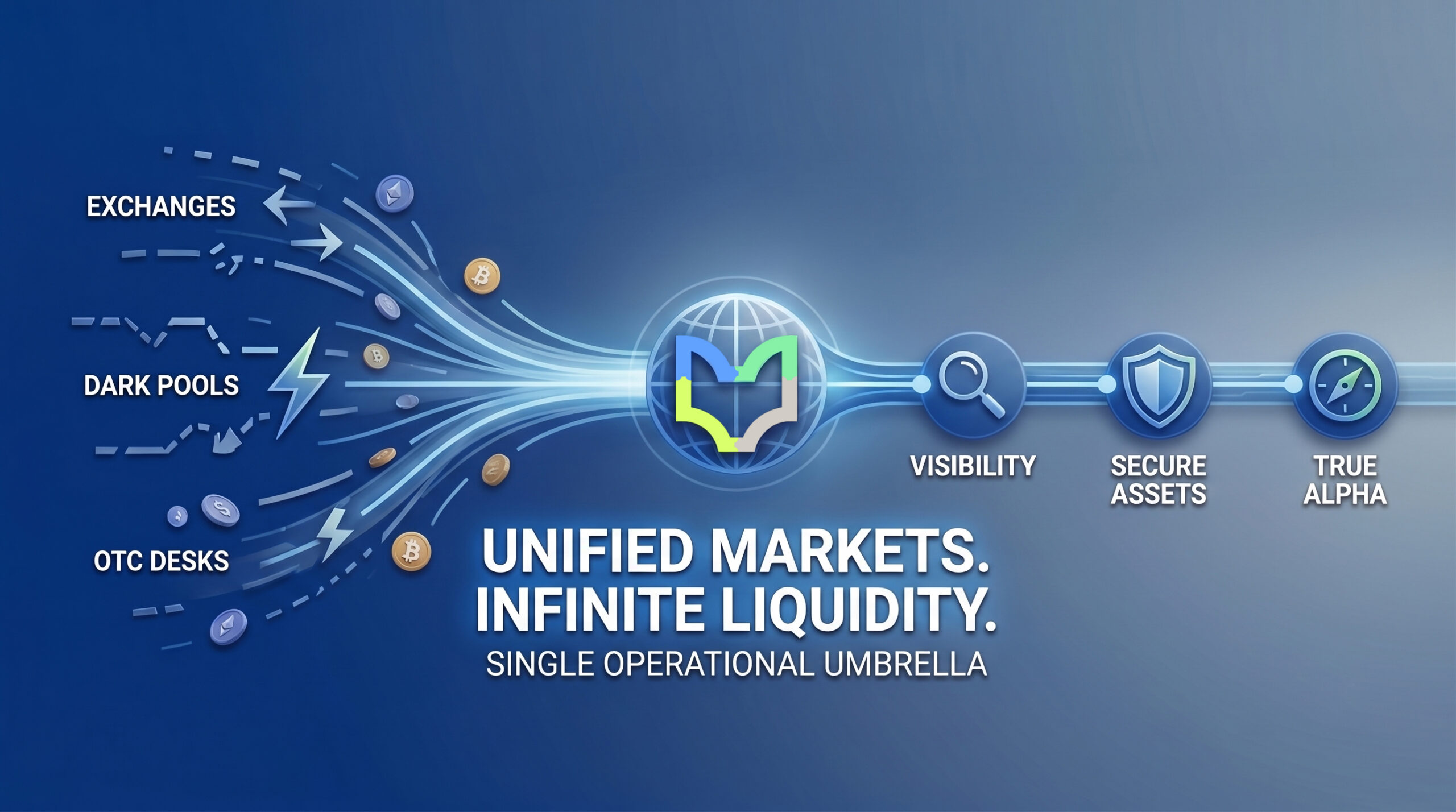
How does a corporate treasury actually begin settling transactions in digital dollars? How does a wealth manager start offering stablecoin-denominated yield to clients? How do businesses build the compliance, custody, and trading infrastructure needed to participate in this market without building it from scratch? These are precisely the problems sFOX Connect is built to solve.
Get Started with sFOX Connect
sFOX Connect gives institutions and wealth managers a single, seamless gateway to operationalize stablecoins, handling the trading, custody, compliance, and portfolio infrastructure so you don’t have to. Whether you’re looking to accept stablecoin payments, manage digital dollar reserves, or offer clients exposure to tokenized assets, sFOX Connect is the bridge between where your business is today and where digital finance is headed.
The stablecoin revolution is already underway. The only question left is whether your business is ready to move with it.