The Oldest Crypto Prime Broker: A Decade Inside Institutional Digital Assets
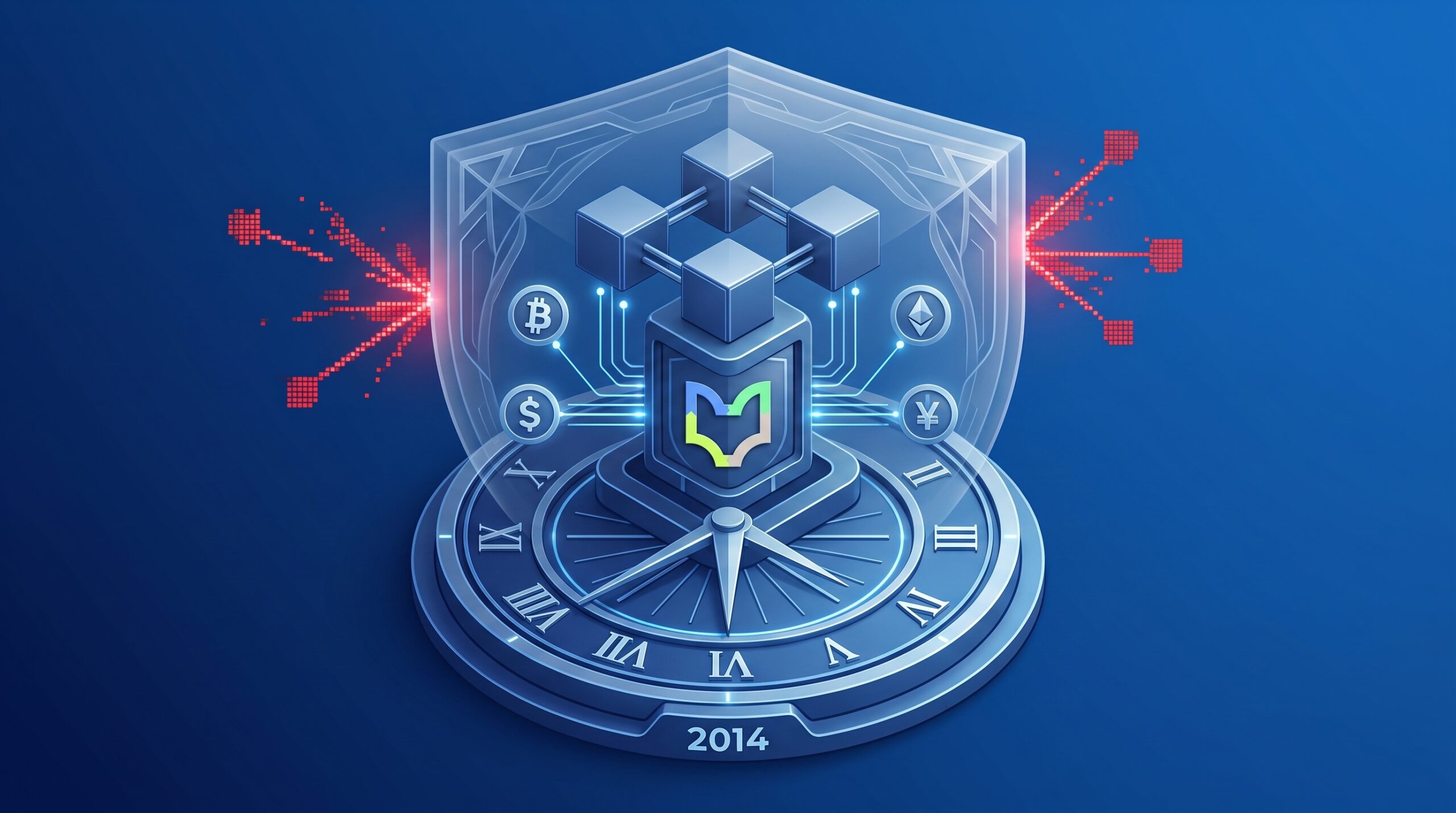
Most of the names institutions associate with crypto prime brokerage today are younger than they’d expect. FalconX launched in 2018. Anchorage Digital was founded in 2017. Hidden Road, recently acquired by Ripple in one of the largest deals in crypto, launched in 2018 as well.
sFOX was founded in 2014, four years before most of our now-prominent peers existed at all, and before “institutional crypto” was a category anyone was naming.
Why the Founding Date Is the Story
Longevity in crypto isn’t just a nice-to-have data point. Crypto has moved through several distinct market eras since 2014:
- The early Bitcoin-only institutional experiments,
- The 2017 ICO boom and bust,
- The 2020-2021 bull run and DeFi summer,
- The 2022 collapse of major exchanges and lenders, and
- The current period of ETF-driven institutional adoption.
Each era changed what institutions needed from their infrastructure providers, and each one eliminated companies that couldn’t adapt.
sFOX Has Been Tested, Tried, and Proven
sFOX is the prime broker that has operated continuously since 2014 and, by definition, has been tested by it all. That’s a different kind of credibility than a funding round or a valuation headline. It’s operational history: uptime through volatility, custody integrity through multiple bear markets, and compliance infrastructure built and rebuilt as regulation evolved rather than assembled all at once to meet a current requirement.
Built Before the Category Had a Name
In 2014, there was no shared vocabulary for “crypto prime brokerage.” The idea that institutions would eventually need aggregated liquidity, regulated custody, and compliance infrastructure for digital assets, delivered the way they already expected it in every other asset class, was still a few years ahead of the market. sFOX was built on that premise anyway.
That early, unglamorous work, building liquidity aggregation before there were 40+ venues worth aggregating, building custody infrastructure before institutional custody was a well-understood requirement, is part of why sFOX now describes itself as the institutional crypto engine rather than a trading platform. The infrastructure came first. The category caught up to it.
What Over a Decade Actually Buys Institutions
For an institution evaluating providers today, sFOX’s longevity translates into a few concrete benefits that are essential for long-term operational success:
- Cycle-Tested Operations: Infrastructure and risk models that have survived multiple severe market drawdowns, liquidity crunches, and regulatory shifts, ensuring reliability through extreme market volatility.
- Established Institutional Relationships: Deep, long-standing integrations with leading custodians, tier-1 banking partners, auditing firms, and regulatory bodies. These connections are built over years rather than rushed after a new market entrant launches.
- Conflict-Free Execution: A “neutral by design” operating model with no proprietary trading desk, no in-house token, and pure agency execution across 40+ liquidity sources, eliminating the inherent conflicts of interest seen in newer, vertically integrated exchanges.
- Battle-Tested Compliance & Custodial Infrastructure: A seamlessly integrated ecosystem spanning execution, regulatory compliance, and custody through SAFE Trust Company, developed through a decade of iterative refinement rather than short-term market hype.
A Decade in the Making & Still Building
The infrastructure sFOX operates today, spanning trading, custody through SAFE Trust Company, and compliance in a single integration, reflects ten years of iteration rather than a recent build. As the institutional crypto market matures around ETFs, derivatives, and an expanding set of regulated entrants, that decade of operating history is exactly the kind of thing due diligence teams are trained to look for.
Trading, custody, liquidity, and compliance. One integration, one platform, zero compromises, built over a decade rather than a news cycle.
Frequently Asked Questions
What is the oldest crypto prime broker?
sFOX, founded in 2014, is among the longest-operating institutional crypto prime brokers still active today. Many of the names now prominent in the space, including FalconX (2018) and Anchorage Digital (2017), were founded years later, after sFOX had already been operating through multiple market cycles.
Why does a prime broker’s founding date matter to an institution?
Longevity is a proxy for operational history: a provider that has operated continuously since 2014 has been tested through the 2017 ICO boom and bust, the 2020-2021 bull run, the 2022 collapse of major exchanges and lenders, and the current ETF-driven adoption cycle. That’s a different kind of evidence than a funding round or valuation headline; it reflects how the infrastructure actually performed under stress, not just how well-capitalized it is today.
Is an older crypto prime broker automatically more trustworthy than a newer one?
Not automatically. Longevity is one signal among several, alongside custody structure, regulatory status, and transparency into execution. A newer provider can be well-run and well-capitalized; an older one isn’t exempt from scrutiny just for having survived this long. The value of longevity is that it gives an institution more operating history to actually evaluate, not a shortcut past evaluating it.
How has the crypto prime brokerage category changed since 2014?
In 2014, there was no widely shared definition of “crypto prime brokerage.” Liquidity aggregation across dozens of venues, regulated custody for digital assets, and compliance infrastructure built for institutional standards were all ahead of where the market was. The category has since grown to include well-funded, venture-backed entrants building toward the same institutional expectations that shaped the earliest infrastructure providers.
Does a longer operating history mean broader asset or venue coverage?
Not necessarily on its own, but it often correlates with it. A provider operating since 2014 has generally had more time to build out liquidity relationships, custody infrastructure, and venue coverage than one founded more recently. It’s still worth confirming current asset and venue support directly rather than assuming it from tenure alone.
What should an institution verify when evaluating a prime broker’s history?
Founding date and continuous operation are worth confirming against public records rather than a provider’s own marketing claim alone. Beyond that, it’s worth asking whether the provider’s core model, liquidity aggregation, custody structure, and neutrality have stayed consistent over that history or changed significantly in response to market pressure.